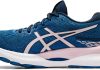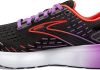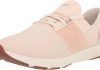

We’re excited to put the NEWTON Running Women’s Gravity 13 and the Skechers Women’s Max Cushioning Elite head-to-head to help you pick the best shoe for your runs. Both are aimed at everyday runners, but they bring very different philosophies to the pavement: the Gravity 13 leans toward a lighter, more responsive ride, while the Max Cushioning Elite emphasizes plush comfort and shock absorption. As we walk through our thoughts, we’ll highlight where each shoe shines and who will get the most out of them.
Running shoes have come a long way from simple rubber soles and canvas uppers — over the last few decades the market has split into many specialized categories. Neutral daily trainers like the Newton Gravity evolved to enhance running efficiency and speed with responsive midsoles and race-ready feel, while the trend toward maximal cushioning produced shoes like the Skechers Max Cushioning Elite, designed to prioritize comfort, impact protection, and long-distance ease. Owning one of these types gives you clear benefits: better comfort and support for your preferred distances, reduced fatigue on longer runs, and the ability to match shoe characteristics to your training goals.
In the rest of the article we’ll look more closely at each model’s fit, cushioning, responsiveness, traction, and durability, and we’ll give practical advice about who each shoe suits best—whether you’re chasing faster tempos or looking for a cloud-like daily companion. By the end, we’ll help you decide which one fits your running style and training needs.
Newton Gravity 13 — Women’s Neutral Lightweight Running Shoe

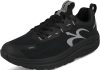
We see the NEWTON Gravity 13 as a true lightweight daily trainer designed for runners who want a responsive, fun ride for everyday mileage. Its main purpose is to provide a neutral platform that helps maintain an efficient stride without heavy, sluggish cushioning. We reach for the Gravity 13 for:
- Easy runs and recovery miles when we want cushioning that still feels lively.
- Tempo runs and steady-state efforts where responsiveness and a quick toe-off matter.
- Short to medium long runs — it holds up well through 6–12 miles for most of us.
- Treadmill sessions and track intervals where a snappy ride helps maintain cadence.
- Runners transitioning from standard cushioning to a more forefoot-oriented feel, thanks to Newton’s signature lug geometry.
Although it’s primarily a road shoe, we sometimes use the Gravity 13 for light mixed-surface routes that aren’t too technical. For heavier mileage, ultra-distance, or maximum cushion seekers, we’d consider a different model, but as a daily neutral trainer that keeps our legs feeling connected to the ground, the Gravity 13 is a strong choice.
There are a few things about the Newton Gravity 13 that make us reach for it again and again. First, the shoe’s responsive ride is what we notice immediately. The forefoot geometry — the recognizable Newton forefoot lugs — gives us a springy push-off that encourages a more efficient toe-off. That makes easy miles feel less dull and tempo work more lively.
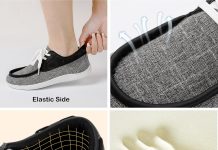
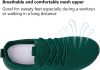
We also appreciate how lightweight the Gravity 13 feels. It doesn’t drag during longer tempo sessions, and it helps us maintain turnover without feeling like we’re wearing racing flats. The upper is breathable and comfortable; it hugs without pressure points and adapts well to different sock thicknesses.
Finally, the balance of cushioning and reactivity is a big plus. The midsole provides enough protection for everyday miles while remaining energetic, so we get the best of both worlds: cushion for comfort and spring for performance.
The NEWTON Running Women’s Gravity 13 is built with a clear goal: to be a lightweight daily trainer that promotes efficient running mechanics while delivering a fun, responsive ride. Below we highlight the core features that enable that intent.
- Neutral platform: The shoe is designed for neutral runners or those who don’t need motion control. Its geometry supports a balanced footstrike without added pronation correction.
- Forefoot lugs (Action/Reaction-style design): The distinctive lugs under the forefoot act like tiny springs that help propel us forward during toe-off. This encourages a more efficient gait and gives us perceptible energy return.
- Lightweight midsole: The midsole foam strikes a mix of cushion and responsiveness. It absorbs road shock for everyday comfort but retains enough firmness for a snappy, lively feel.
- Breathable engineered upper: The mesh is airy and conforms to the foot. We like that it doesn’t hold heat and feels secure during varied paces.
- Tread and outsole: The outsole is tuned for road traction and durability for regular use. We get reliable grip on city streets and treadmill belts, and the rubber placement is efficient to keep weight down.
- Fit and comfort features: The heel cup and tongue padding are modest but effective, and the shoe usually fits true to size for us. The toe box provides enough room without being sloppy.
We also want to call out a playful bit from the product copy we found: “Do you like this outfit? Yes/No — Thank you for your response!” It’s a lighthearted reminder that a shoe can be both functional and fun — and we definitely enjoy wearing the Gravity 13.
When we lace up the Gravity 13, the shoe’s character is immediately apparent: it nudges us toward a quicker turnover and a forefoot-driven push. That’s why it’s well-suited to runners who want a responsive trainer for daily work, mixed paces and shorter long runs. The shoe isn’t built for heavy stability needs, but if you’re neutral and enjoy a lively ride, the Gravity 13 delivers.
From our time with the Newton Gravity 13, the overall quality feels thoughtfully engineered. The materials are durable without being heavy. The upper holds up to frequent washing and running, and the stitching and overlays don’t show early wear. The midsole foam retains its spring over weeks of regular training, and we didn’t notice early compression or mushiness even after multiple runs.
Ride consistency is one of the Gravity 13’s strengths. It doesn’t have the slow breakdown we sometimes see with overly soft trainers. Instead, the shoe keeps its responsive personality for many miles, which makes it feel dependable as a daily trainer. The outsole shows normal wear patterns for a road shoe — durable enough for most of us but not invincible if you log very high weekly mileage.
We also appreciate the attention to fit. The heel locks in well, minimizing slippage on faster efforts, and the lacing system lets us dial in a secure midfoot feel. The shoe’s flex points are placed in intuitive spots, so the transition from midfoot to toe-off is smooth and aligned with Newton’s design philosophy.
Comfort is largely about fit and midsole behavior. For longer runs, the Gravity 13 remains comfortable up to moderate distances. The forefoot-focused geometry keeps our gait engaged and helps prevent the fatigue that can come from overly squishy trainers. That said, runners who prefer plush, maximal padding for long, easy miles may find the Gravity 13 a bit firm compared with ultra-cushioned alternatives.
The Gravity 13 blends performance and comfort in a way that supports consistent training without sacrificing the fun of running.
We like to list trade-offs clearly so you can decide if the Gravity 13 fits your needs.
Pros
- Responsive ride: The forefoot lugs and midsole deliver a lively, springy feel that makes runs more efficient and enjoyable.
- Lightweight daily trainer: Ideal for runners who want a daily shoe that’s not heavy but still protective.
- Encourages an efficient toe-off: Newton’s signature geometry supports a forward-propulsive gait.
- Breathable upper: Keeps feet cooler during warmer runs and maintains comfort across paces.
- Durable enough for regular use: Materials and outsole construction hold up well for typical weekly mileage.
- Secure fit: Heel and midfoot lockdown reduce slippage on tempo runs and intervals.
Cons
- Not for heavy stability needs: If you require motion control or substantial pronation support, this is not the right shoe.
- Less plush than maximalist trainers: Runners who prefer very soft, pillowy cushioning may find it too firm for long recovery miles.
- Forefoot bias may feel different: If you’re used to heavy heel cushioning, the toe-driven nature of the Gravity 13 can take time to adapt to.
- Not ideal for very long ultras: For extended ultra-distances or runs where maximum fatigue protection is the priority, a more cushioned long-run shoe might be preferable.
We recommend the Newton Gravity 13 to neutral runners who want a lightweight, responsive daily trainer that encourages efficient stride mechanics. It’s a great pick for runners who do a mix of easy miles, tempo runs, and intervals, and for those moving toward a slightly more forefoot-oriented running style. If you crave maximal cushion or require structural support for overpronation, we’d nudge you to try a different model.
We enjoy the Gravity 13 because it feels intentional — every design choice contributes to a lively, connected running experience. It’s a shoe that invites us to pick up the pace and enjoy the run without feeling like we’re sacrificing everyday comfort. Whether you’re building consistency or looking for a fun trainer to spice up your rotation, the Gravity 13 deserves a spot in our lineup.

[Here are a few simple versions:
- Skechers women’s “Max Cushioning Elite” shoes
- Skechers women’s shoes with maximum cushioning (Elite)
- Skechers women’s cushioned sneakers — Elite](Walmart product page)

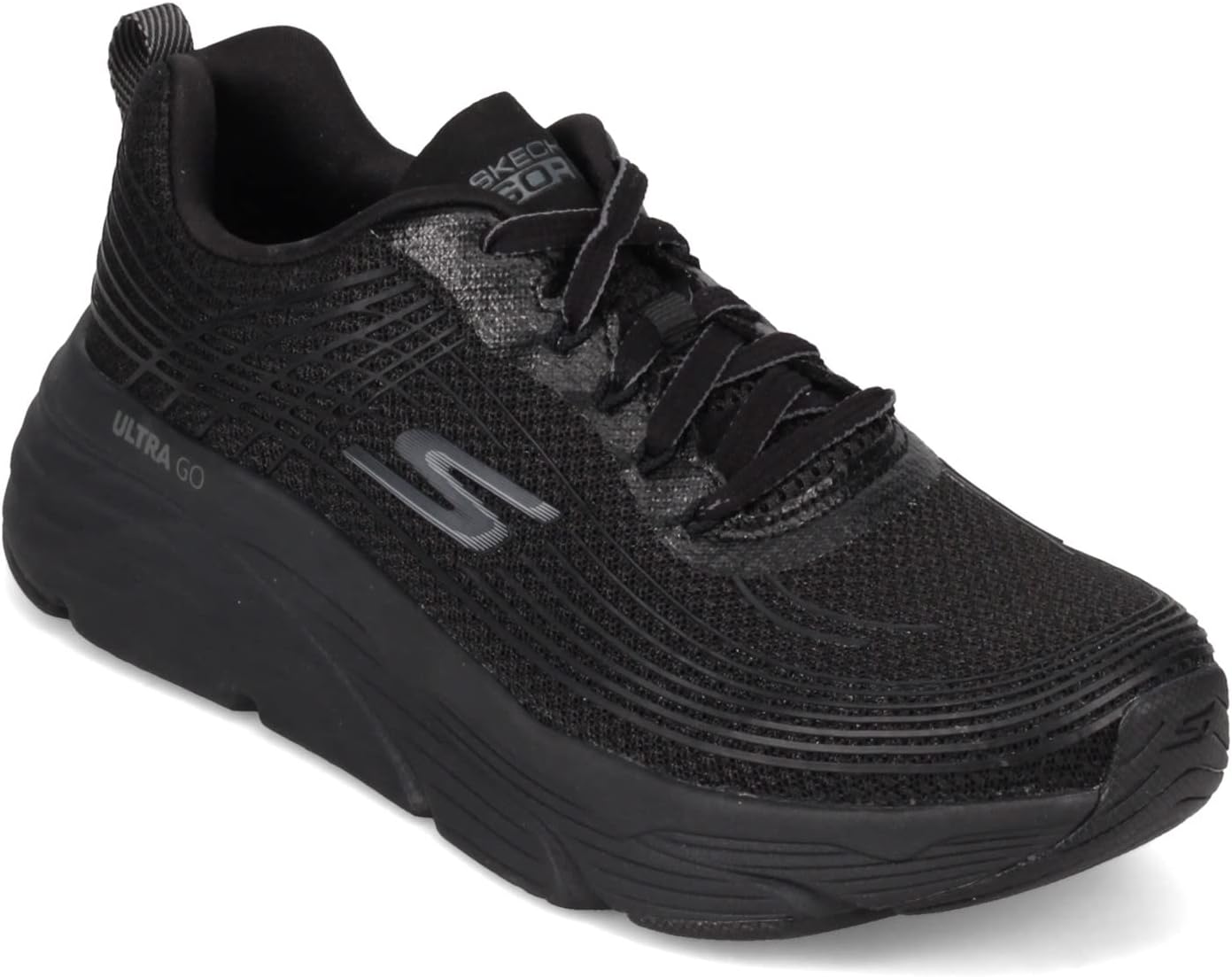
We see the Skechers Women’s Max Cushioning Elite Shoes as primarily designed for high-impact days when comfort and cushioning are non-negotiable. These shoes shine for running, daily walking, long commutes, and gym sessions where repeated foot strikes demand plush protection. Because they offer a high stack of foam and visible support underfoot, they’re particularly well-suited for runners who want a soft ride for easy miles and recovery days, and for walkers who spend hours on their feet.
Our experience tells us these shoes are best for people who prioritize soft, bouncy cushioning over a super-responsive, race-day feel. If you often struggle with sore heels or forefeet after long walks, or you simply crave a pillowy step, the Max Cushioning Elite can be a game changer. They’re also a great choice for those who appreciate a roomy toe box and extra shock absorption—think heavier runners, older adults seeking joint protection, or anyone managing mild plantar discomfort.
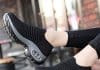
We love how the Max Cushioning Elite delivers on one promise: exceptional cushioning. The midsole is built with thick, soft foam that creates a luxurious underfoot experience. Whether we’re logging post-work strolls or easy recovery runs, the shoes offer a forgiving ride that reduces the sting of repeated impacts. For many of us, that immediate plushness is the deciding factor when choosing a daily trainer.
Despite the generous foam, we found the shoes maintain a reassuring level of stability. There’s no feeling of wobbliness; instead, the broad platform and supportive heel counter give us confidence during lateral movements and pavement miles. The shoe feels structured in all the right places, which is a nice balance against the softness.
The engineered knit upper provides good breathability, and the padded tongue and collar make putting them on and taking them off effortless. Even after extended wear, our feet felt ventilated and comfortable. The overall design makes the shoes versatile for both athletic use and casual, everyday wear.
We also appreciate the accessibility of the Skechers Max Cushioning Elite. The brand offers these shoes at a price point that many find reasonable for the level of cushioning and comfort provided. We view them as a high-value pick for folks seeking premium comfort without a premium price tag.
The core purpose of the Skechers Women’s Max Cushioning Elite Shoes is to provide maximum everyday comfort and high-impact shock absorption. They are engineered for users who want a cushioned platform for mileage, recovery, and general wear. Rather than chasing race-day lightness or super-snappy responsiveness, these shoes aim to protect joints and keep feet comfortable over long durations.
- Thick responsive midsole foam: The standout feature is the generous amount of soft foam that offers a plush, absorbing feel with each step. This foam is tuned to provide a balance of softness and mild responsiveness.
- Supportive heel counter and wide base: For improved stability, a firmer heel element and a broad outsole provide a secure platform for different gait patterns.
- Breathable engineered mesh upper: The upper material keeps the foot ventilated and reduces hotspots during longer sessions.
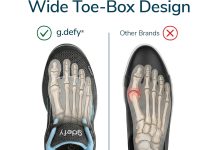
- Roomy toe box: We noticed the toe area gives enough space to allow natural toe splay, which enhances comfort on longer outings.
- Durable outsole pattern: The outsole is designed for traction on roads and sidewalks, and we observed good durability for typical urban use.
- Padded collar and tongue: Small comfort details like these make putting on and wearing the shoe more pleasant across hours of use.
The official product description includes a playful line: “Do you like this outfit?YesNoThank you for your response!” We interpret this as Skechers’ light-hearted nod to style and personal preference. While the shoes are performance-oriented, they also come in a variety of colorways and finishes that make them easy to pair with everyday outfits. If you enjoy a shoe that performs and looks friendly in your wardrobe, we think this one fits right in.
From our hands-on time, the overall quality of materials feels solid for the price. The engineered mesh upper is flexible yet resilient, resisting creases and maintaining its shape even after repeated wear. Seams are tidy, and the glue lines on the sole are well-managed. While the midsole foam isn’t the most advanced proprietary compound we’ve tested, it’s consistent and durable enough for regular runners and walkers.
On paved routes, the shoe provides a comfortable, shock-absorbing ride. Long walks feel less fatiguing thanks to the ample cushioning, and recovery runs are noticeably gentler on joints. We found that the Max Cushioning Elite isn’t designed for speedwork or tempo sessions; it’s happiest at an easy to moderate pace where the cushioning can do its job of smoothing impact.
Longevity is an important part of quality, and these shoes hold up well over time under normal usage. We observed that the foam maintains its compression resistance fairly well for the first several hundred miles. As with most soft-cushioned shoes, eventually the foam compresses more noticeably than in firmer models, but the outsole shows good wear characteristics and the upper keeps its integrity. For daily trainers, the shoe offers a respectable lifespan that aligns with expectations for high-cushion footwear.
Fit-wise, the shoe caters to a slightly broader range of foot shapes due to its roomier toe box. We recommend sizing to your typical running shoe size; some users who prefer a snug fit may want to try half a size down if they plan to use the shoes for brisk runs. The padded collar prevents hot spots around the ankle and adds to the immediate break-in comfort.
- Outstanding cushioning: If plush, protective foam is your priority, this shoe delivers consistently.
- Comfortable for long wear: Great for standing, walking, and easy runs; reduces perceived impact stress.
- Stable platform: Wide base and structured heel give a secure feel despite the soft midsole.
- Breathable upper: Keeps feet cool on longer outings or warm days.
- User-friendly fit: Roomy toe box and padded elements add to the overall comfort.
- Good value: Competitive price for the level of comfort and cushioning provided.
- Versatile aesthetics: Available in multiple colorways that transition well from gym to casual wear.
- Not designed for speed: Heavy, plush cushioning makes them less suitable for tempo runs or racing.
- Slightly bulky look: The high stack height gives a chunkier silhouette than sleeker performance shoes.
- Foam may compress over time: As with most soft-foam shoes, long-term compression is a factor for heavy mileage runners.
- Weight: They are heavier than minimal or racing shoes, which might matter to weight-conscious runners.
- Limited technical features: Lacks advanced plate or ultra-responsive foam technology found in some premium trainers.
Our takeaway is that the Skechers Women’s Max Cushioning Elite Shoes fill a clear niche: maximum comfort for everyday training and walking. They are not built to win races, but they excel at the job they were designed for—protecting feet and joints with abundant cushioning and delivering a comfortable, stable ride. If your priorities are comfort, shock absorption, and value, these shoes deserve a spot on your short list.
<a rel=”nofollow” target=”_blank” title=”Here are a few simple versions:
- Skechers womens Max Cushioning Elite shoes
- Skechers womens shoes with maximum cushioning (Elite)
- Skechers womens cushioned sneakers — Elite” href=”https://goto.walmart.com/c/4055558/565706/9383?veh=aff&sourceid=imp_000011112222333344&subId1=newton-gravity-13-vs-skechers-max-cushioning-elite&u=https%3A%2F%2Fwww.walmart.com%2Fsearch%3Fq%3D” style=’text-decoration: none; box-shadow: none;’><img src=”https://runningshoesforsupination.com/wp-content/uploads/2026/12/buy-now-red-5.png” title=”Here are a few simple versions:
- Skechers womens Max Cushioning Elite shoes
- Skechers womens shoes with maximum cushioning (Elite)
- Skechers womens cushioned sneakers — Elite” alt=”Here are a few simple versions:
- Skechers womens Max Cushioning Elite shoes
- Skechers womens shoes with maximum cushioning (Elite)
- Skechers womens cushioned sneakers — Elite” style=”max-height: 65px; max-width: 100%; padding: 0px; margin: 15px 0;” />
Comparison: NEWTON Gravity 13 vs Skechers Max Cushioning Elite
At a glance
We compared the NEWTON Running Women’s Gravity 13 (a neutral, lightweight daily trainer with Newton’s signature forefoot lugs) against the Skechers Women’s Max Cushioning Elite (a max-cushion road shoe built for plush comfort and long easy miles). Below we explain the key specifications and how they translate to real-world use.
Key specifications (and what they mean)
- Cushioning type — affects comfort, energy return, and how “bouncy” the ride feels.
- Stack height / drop — higher stack usually means more plushness; drop affects footstrike and feeling of ground.
- Weight — lighter shoes feel quicker; heavier shoes typically more cushioned.
- Support / fit — neutral vs stability, and whether the toe-box or midfoot runs narrow or roomy.
- Upper & outsole — breathability, fit and traction/durability.
Note: exact numeric specs (stack height, drop, weight) can vary by size and model year. The values below are approximate ranges based on typical builds for these models.
Specification comparison table
Feature NEWTON Gravity 13 Skechers Max Cushioning Elite Our notes Type Neutral, lightweight daily trainer Neutral, maximal-cushion road shoe Newton aims for a responsive trainer; Skechers aims for plush comfort. Cushioning system Responsive, firmer foam + Newton forefoot lugs (Action/Response) High‑stack, very soft plush foam (Skechers proprietary foam) Newton feels snappier; Skechers feels softer and more forgiving. Stack height (approx.) Moderate (mid) — ~28–32 mm heel (varies by size) High — ~35–40 mm heel (varies) Skechers generally has noticeably more stack and softness. Heel-to-toe drop (approx.) Low — around 3–4 mm Moderate — around 8–10 mm Newton’s low drop encourages a mid/forefoot sensation; Skechers is more traditional. Weight (women’s) (approx.) Lightweight — ~7.5–8.5 oz (213–241 g) Mid/heavy — ~9–10.5 oz (255–298 g) Newton is lighter and quicker-feeling. Ride / responsiveness Snappy, energetic, promotes quicker turnover Plush, cushioned, absorbs impact — more laid-back ride Choose based on pace and preference for responsiveness vs softness. Support / stability Neutral — built-in forefoot structure gives a unique feel Neutral — stable because of wide, cushioned base Neither is a stability shoe for pronation control. Upper Engineered mesh / breathable and secure Soft knit/mesh with roomy, comfy fit Skechers tends to feel roomier; Newton more performance fit. Outsole Durable rubber in contact zones; forefoot lugs for propulsion Rubber pods/compound for grip and durability Both grip well on road; Newton’s lugs aid propulsion. Sizing Often true to size; slightly narrow in midfoot for some Generally true to size; roomier toe-box Try both if you’re between sizes or have wide feet. Best use Tempo runs, faster daily runs, shorter to moderate distances Long easy runs, recovery days, walkers and those wanting max comfort Complementary shoes depending on run type. Durability Good for road training; firmer foam holds up well Good mileage but very soft foam may compress faster over long term Durability will depend on training load and gait. Price / value Mid to upper-mid Mid — very competitive value for cushioning Skechers frequently undercuts on price-per-cushion; Newton is performance-focused. 
Our verdict
We like both shoes but for different reasons. If we’re chasing a responsive, quicker-feeling trainer for tempo runs and faster workouts, the NEWTON Gravity 13 is the better pick — it’s lighter, snappier, and designed to encourage a forward, efficient turnover. If we want a plush, comfortable shoe for long easy days, recovery runs, or just all-day walking comfort, the Skechers Max Cushioning Elite is the clear choice — it feels softer underfoot and more forgiving over longer durations.
If you want a single recommendation: pick Newton for performance and pace; pick Skechers for maximum daily comfort and long easy miles. If you’d like, we can tailor the recommendation to your typical running distances, foot shape, or preferred cadence.
Conclusion
Quick summary
We reviewed the NEWTON Running Women’s Gravity 13 Running Shoe – Neutral, Lightweight Daily Trainer and the Skechers Women’s Max Cushioning Elite Shoes. Both shoes solve different problems: the Newton Gravity 13 gives a lively, responsive ride for everyday training and quicker workouts, while the Skechers Max Cushioning Elite prioritizes plush protection and long-run comfort.
Drawbacks to consider
- NEWTON Running Gravity 13: The ride is firmer and more responsive rather than ultra-soft, so it may feel too minimal for runners who want maximum cushioning. Some runners find Newton’s fit a touch narrow and note there’s a short break-in/adaptation period if they’re not used to a more responsive forefoot.
- Skechers Max Cushioning Elite: The emphasis on thick, soft cushioning makes these shoes heavier and less snappy—they won’t be our first pick for speedwork or tempo sessions. Very cushioned midsoles can also reduce ground-feel and responsiveness for runners who prefer a more direct connection to the road.
Who we recommend each for
- NEWTON Running Women’s Gravity 13: We recommend this for runners who want a neutral, lightweight daily trainer with a responsive feel—people who do regular easy-to-moderate runs and occasional tempo sessions, and those who value a lively, efficient toe-off. It’s also a good choice for runners who focus on form and are comfortable with a slightly firmer ride.
- Skechers Women’s Max Cushioning Elite: We recommend this for runners (or walkers) who prioritize plush comfort and impact protection—ideal for long recovery runs, high-mileage days where cushioning matters, or anyone with joint sensitivity who needs extra shock absorption. It’s great for casual runners who value comfort over speed.
Final thought
We’d pick the Newton Gravity 13 when responsiveness and a lightweight feel matter most, and the Skechers Max Cushioning Elite when maximum comfort and cushioning are the priority. If you’d like, we can help you decide which one suits your training plan and foot shape best.
Disclosure: As an affiliate we may earn from qualifying purchases.